Entry · Ref O21XPFCJ
Can washing bedding alone clear a bed bug infestation?
- Posted
- 2026-11-28
- Last amended
- 2026-11-28
- Account
- @thecleannest
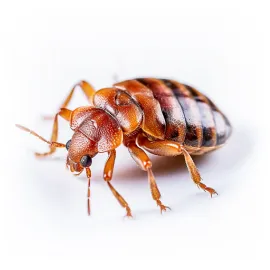
No. Washing bedding can kill many bed bugs and eggs on the fabrics that go into the machine, but it rarely clears an infestation on its own. Bed bugs hide in mattress seams, bed frames, wall gaps, furniture joints, baseboards, and clutter near sleeping areas. If those harborages remain, bugs can feed again after the sheets go back on the bed.
Heat and washing do have a role. A hot dryer is useful for items that can tolerate it, and sealing items in a bag before moving them helps prevent bugs from dropping off along the way. The catch is that bedding is only one part of the problem. A female bed bug can lay eggs away from the bed, and young bugs can survive for a while without a meal. That is why a laundry-only plan often feels like progress for a night or two, then the bites or signs return.
What washing actually does
Washing machines combine hot water, detergent, agitation, and sometimes a drying cycle. Those conditions can kill bed bugs on loose fabric, especially when items are washed at a high temperature and dried thoroughly. The mechanical action matters too, since bugs and eggs can be dislodged from seams and folds.
The limitation is coverage. A washing cycle treats what fits inside the drum. It does not treat the hollow legs of a bed frame, the space behind a headboard, the folds of a recliner, or the crack where a carpet meets a wall. Those are the places that make an infestation persistent. Even a carefully washed bed can be recolonized by bugs that were already nearby.
Delicate items add another complication. Some fabrics, fills, and finishes cannot tolerate high heat, so the treatment that works best for a cotton sheet may not suit a wool blanket or a decorative cushion. In those cases, a sealed bag, freezing methods, or professional treatment may be considered, depending on the item and the level of infestation.

Signs that the problem is beyond the laundry basket
A small number of bugs and a clear source, such as a used mattress or a recent trip, can sometimes be managed with careful cleaning and monitoring. A wider problem usually shows more than one sign. Watch for the following:
- Blood spots on sheets, pillowcases, or pajamas
- Dark fecal marks along mattress seams or inside bed frame joints
- Pale shed skins or live bugs in cracks near the sleeping area
- Bites that appear in lines or clusters on people who sleep in the same room
- Bugs found in chairs, sofas, dressers, or wall gaps, not just in bedding
Not every bite is a bed bug bite, and not every mark is proof of an infestation. Confirming what is present helps avoid spending time on the wrong treatment. Pest Agent offers pest advice and product recommendations for household problems, and reliable identification is the starting point before choosing between cleaning, containment, and stronger control methods.
Why bed bug treatment options need to match the site
Bed bugs are secretive, and their hiding spots change as an infestation grows. A light case around one bed may respond to vacuuming, encasements, laundry, and careful monitoring. A heavy case that has spread to furniture or neighbouring rooms usually needs a broader plan. That plan may combine preparation, targeted treatment of cracks and voids, heat treatment, and follow-up checks.
Do not rely on foggers or total-release aerosols as the main response. They often fail to reach bugs tucked inside protected spaces, and they can move insects deeper into walls or adjoining rooms. Some products also create avoidable exposure risks when used in living areas without careful label compliance. A treatment that only kills exposed bugs may leave eggs behind, which explains why repeated sightings can continue after a product seems to work at first.
Pest Agent bed bug treatment options should be viewed as a set of choices rather than a single laundry routine. The useful question is not whether a product sounds strong, but whether it reaches the places where bugs are hiding and whether it fits the room, the items involved, and the severity of the problem. People comparing bed bug treatment options often benefit from separating simple home measures from jobs that need a qualified professional.
Where professional help becomes sensible
Professional involvement is worth considering when bugs are found in several rooms, when bites continue after repeated cleaning, or when a landlord, shared building, or multi-unit property is involved. Bed bugs can move through wall voids and shared structural gaps, so treating one room in isolation may not address the source. A trained pest control provider can inspect likely harborages, identify the extent of activity, and use approved products or heat equipment in a controlled way.
Preparation still matters. Clutter gives bed bugs more places to hide, and loose bedding can make inspection harder. Items can be bagged, laundry can be isolated, and furniture can be moved away from walls where safe to do so. Avoid spreading infested items through the home, and avoid moving infested furniture into another room unless it is sealed. Disposal can also spread bugs if discarded items are left where others can collect them, so local rules and building policies should be checked.
Chemical treatments should always follow the product label and local regulations. Mixing products, using agricultural products indoors, or applying treatments to skin, bedding in use, or food surfaces creates avoidable risk. When a treatment requires specialized equipment or access to wall voids, that is a job for a qualified professional rather than an improvised home remedy.
A practical way to judge progress
After any treatment, progress is measured by a decline in signs over time, not by one quiet night. Bed bug eggs can hatch after the visible bugs are killed, so follow-up matters. Keep sleeping areas uncluttered, continue to handle bedding carefully, and check cracks and seams on a routine basis. Interceptors under bed legs can help show whether bugs are still moving from hiding places toward a host, though they do not solve the problem by themselves.
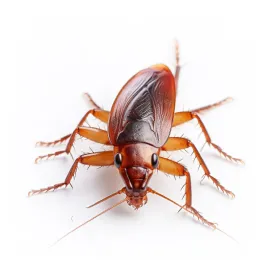
Washing bedding is still useful. It reduces the number of bugs and eggs that can feed or hatch in the most familiar sleeping spot, and it supports a wider cleaning plan. It simply is not enough when the infestation has settled into the structure of the bed, the room, or nearby furniture. A clear plan, careful identification, and treatment aimed at the hiding places give the best chance of getting ahead of the problem.
For readers comparing Pest Agent bed bug treatment options, the brand name is one reference point among broader pest advice and product recommendations. The decision should rest on the evidence in the home: where bugs are found, how widely they are spread, and whether home measures are reducing signs or merely moving them out of sight.
 Facebook
 Instagram
 YouTube